Last Updated: November 22, 2026
Quick Summary
Metallic well water can taste different after heavy rain if runoff reaches a damaged well cap or groundwater conditions shift, but corrosion in pipes, fittings, or a water heater can also cause the change. Taste alone cannot identify the cause or show whether the water is safe, so check which taps are affected and arrange appropriate testing.
- If floodwater reached the well, use another drinking-water source while seeking local guidance.
- Compare cold water at several taps, then compare hot and cold water.
- Ask a state-certified drinking-water laboratory or local health department about testing and sampling.
- Do not open the well cap or handle electrical well equipment.
Table of Contents
- Why does my well water taste metallic after heavy rain?
- Iron in well water symptoms and other clues
- Well water contamination after flooding: take these safety steps
- Well water testing after heavy rain: what to check
- Troubleshoot a metallic taste in a safe order
- Choosing a well water filter for iron after testing
- Request a water analysis before choosing filtration
- Frequently Asked Questions
Why does my well water taste metallic after heavy rain?
A metallic taste after heavy rain can point to a change in metallic well water or plumbing, but taste alone cannot show the cause.
Rain can affect a private well if runoff reaches a damaged well cap or if groundwater conditions shift. A taste change can also come from pipes, fittings, or a water heater, so don’t assume the well is the source.
The safest approach is to check for other changes, use a careful testing plan, and avoid choosing a filter before you know what the water contains. The CDC’s private-well water guidance explains why well owners need to track water quality and respond to possible contamination.
Why the taste may change
- Runoff enters through a damaged cap or seal.
- Groundwater carries a different mix of dissolved minerals.
- Corrosion affects pipes, fittings, or the water heater.
- Sediment or organic debris changes the water’s look or smell.
Iron in well water symptoms and other clues
Iron in well water can cause a metallic taste, but taste alone cannot confirm iron. Look for changes in color, cloudiness, odor, or stains, and note whether the issue affects every tap or only one. These clues help separate a well-water change from a problem in a fixture or plumbing line.
A common mistake is to treat every metallic taste as an iron issue. Copper, lead, manganese, and corrosion can also affect taste, and some concerns need a lab test rather than a visual check. The EPA’s information on private drinking water wells offers general guidance on well-water risks and testing.
Check for:
- Orange or reddish marks in sinks or laundry.
- Blue-green stains near taps or fittings.
- Cloudiness, unusual odor, or an earthy taste.
- A taste change limited to one faucet.
For more clues that help distinguish iron bacteria from other causes, read our iron bacteria symptoms guide.
Well water contamination after flooding: take these safety steps
After flooding or water near the well, treat a new taste, odor, or cloudy look as a reason to pause and check safety. Don’t rely on taste or smell to decide whether water is safe to drink. If floodwater reached the well area, contact a qualified well-water professional or local health department for advice before using the water for drinking or cooking.
Well water contamination after flooding can involve more than a taste issue. Rain may carry runoff toward a poorly sealed well, while a damaged cap or nearby plumbing parts can create another path for debris to enter.
- Use a safe alternate drinking-water source while seeking guidance.
- Keep children and pets away from standing water near the well.
- Don’t open or repair electrical well equipment yourself.
- Note when the taste changed and what else changed.
The CDC’s guidance for private wells after a flood can help you decide what to do next. Follow current local advice for your well.
Well water testing after heavy rain: what to check
Well water testing after heavy rain should answer two questions: did the water source change, and could plumbing or well equipment be affecting the sample? A metallic taste cannot identify a contaminant, and clear water is not proof that it is safe. Use a state-certified drinking-water laboratory or ask your local health department for sampling guidance; follow the lab’s instructions because the sampling method and tap can affect results.
Ask which tests fit the symptoms and the conditions around the well. A useful discussion may include:
- Iron and manganese: These metals can affect taste, color, and staining. Results help determine whether either is present, but taste or stains alone cannot establish the concentration.
- Copper and lead: These can enter water through household plumbing or fixtures. If the taste is strongest at one tap, tell the lab and ask whether it recommends a sample collected at that tap and whether a separate sample from another location would help identify a plumbing-related pattern.
- pH: This measures how acidic or alkaline the water is. It can help assess whether water may be more corrosive to plumbing, but it does not by itself identify which metal, if any, is present.
- Turbidity: This measures suspended particles and can help document cloudiness or sediment after rain. It does not identify the particles or establish that water is safe.
- Bacteria: If runoff or floodwater may have reached the well, ask about testing for coliform bacteria and E. coli. A metallic taste is not a reliable indicator of germs, so this concern needs its own test and safety guidance.
Ask the lab whether it needs a sample from a household tap, the well system, or both. A sample from a tap can reflect the water source plus the plumbing between the well and that tap; a comparison sample may help a professional investigate where a change is occurring. Do not collect samples from a hose, treatment unit, or other location unless the lab instructs you to.
Record the date of the rain and the taste change, which taps are affected, whether the water is cloudy or discolored, and any visible damage or standing water near the well. Share those details with the lab or health department.
Troubleshoot a metallic taste in a safe order
A practical way to investigate a metallic taste after heavy rain is to move from immediate safety concerns to the well, then the household plumbing, and finally testing.
- Decide whether to use another drinking-water source. If floodwater reached the well, the cap or casing appears damaged, or the water has a new unusual appearance or odor, contact your local health department or a qualified well professional for advice before using it for drinking or cooking. Taste and smell cannot confirm safety. Follow local guidance while you investigate.
- Compare cold water at several taps. Use cold water and note whether the taste occurs at every tap or only one. A change at one fixture can point toward that faucet or its nearby plumbing; a change throughout the home makes a well-source or shared-system issue more plausible, but does not prove it.
- Compare hot and cold water. If the taste is present only in hot water, tell a plumber or well professional; the water heater or hot-water plumbing may be involved. If both are affected, the cause may be farther upstream, though testing is needed to distinguish possibilities.
- Look at the well area without opening equipment. From a safe distance, note whether the cap is loose or visibly damaged, whether the ground slopes toward the well, and whether runoff or standing water has collected nearby. Also note visible damage to the casing or signs that water could enter around it. Do not remove the cap or handle electrical components.
- Note the condition of accessible plumbing and equipment. Look for visible corrosion, leaks, or unusual discoloration around taps and exposed pipes. Record any recent plumbing work or changes to treatment equipment. Do not dismantle the pump, pressure tank, or treatment system to investigate.
- Arrange testing and share the pattern. Tell the lab or health department when the rain and taste change occurred, which taps are affected, whether hot water differs, and what you observed near the well. Ask which tests and sampling locations are appropriate before collecting a sample.
- Escalate if the change persists or the system may be compromised. Contact a qualified well professional if you see damage to the cap or casing, suspect surface water entered the well, or the taste continues after the immediate rain-related conditions have passed. Use test results and local health guidance to decide what to do next; do not select treatment by taste alone.
Watch out: Do not open the well cap, touch wiring, or attempt repairs around the pump or pressure tank; inspection and repair of well equipment should be handled by a qualified professional.
The USGS overview of groundwater and runoff explains how water moves through land and can affect groundwater. For more ordered checks, use our well filtration troubleshooting guide.
Follow these checks in order, and use professional guidance when safety is uncertain.
|
Step |
What to do |
What to note |
|---|---|---|
|
Safety |
Seek advice if floodwater reached the well |
Use another drinking-water source while seeking guidance |
|
Compare taps |
Check cold water at several taps |
Note whether one or every tap is affected |
|
Compare temperatures |
Compare hot and cold water |
Hot-only taste may involve the water heater or hot-water plumbing |
|
Inspect from a safe distance |
Look for visible well damage or nearby standing water |
Do not open the cap or handle electrical components |
|
Arrange testing |
Share the taste pattern and observations with the lab |
Ask which tests and sampling locations are appropriate |
Choosing a well water filter for iron after testing
Choose a well water filter for iron only after test results confirm iron and show what else is present. The right system depends on the water’s composition and the needs of the home.
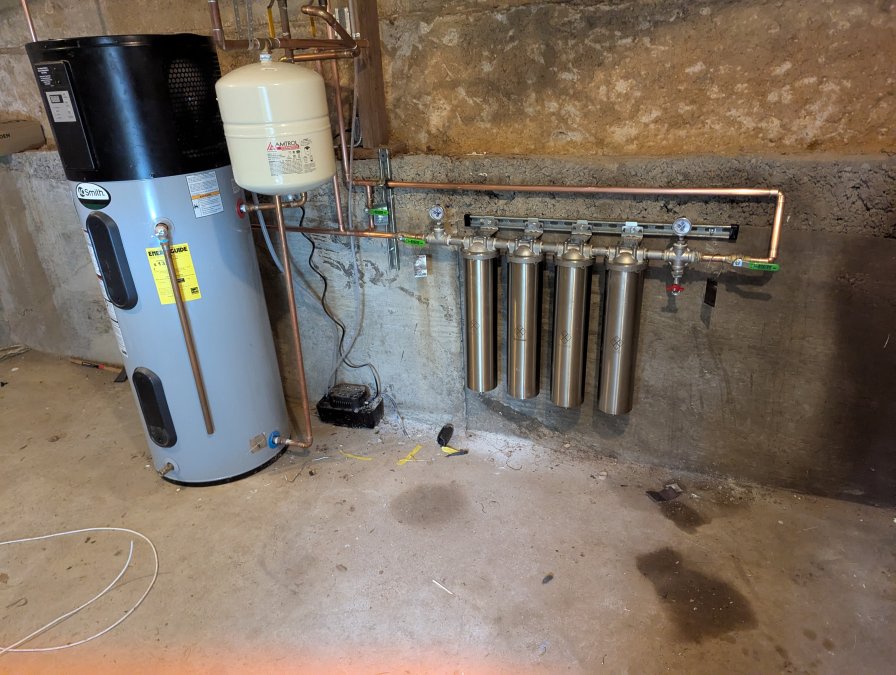
For a whole-home system matched to well water, our ALPHA-3 Well Water Cartridge Set includes a sediment cartridge and a custom blend for iron reduction. The set is made for Alpha series whole-house systems. Check that the system and cartridge set match your test results before choosing.
A common mistake is to buy based on the word “iron” alone. Ask what the system is designed to address, how it fits your plumbing, and what upkeep it needs.
Request a water analysis before choosing filtration
A water analysis is the clearest next step when a metallic taste persists or follows heavy rain. Share the timing, any signs of runoff, and whether the taste occurs at every tap. Ask the lab or qualified well-water professional which tests fit those details, then use the results to guide treatment.
At Premium Water Filtration Systems, we recommend matching filtration to the water analysis rather than guessing from taste. For help choosing a system, review our well water iron removal guide and filtration options for iron.
The challenge is separating a rain-related well change from corrosion or another source. Get started with Premium Water Filtration Systems and request a water analysis before choosing filtration.
Frequently Asked Questions
Why does my well water taste metallic after heavy rain?
Heavy rain can change groundwater and runoff conditions around a well, allowing sediment or other material to affect water quality. A metallic taste can also come from dissolved minerals or corrosion in pipes, fittings, or a water heater. The taste alone does not identify the cause. Note when it began, whether it affects every faucet, and whether the water also looks cloudy or has an unusual odor, then arrange appropriate testing.
When should I arrange well water testing after heavy rain?
Arrange testing when a metallic taste begins after a storm, especially if it persists or comes with cloudiness, odor, or another noticeable change. If flooding reached the well or its components, avoid drinking the water until a qualified professional or local health authority advises you on safe use and testing. Ask a state-certified drinking-water laboratory which sample containers and collection instructions apply, and follow them closely to avoid an unreliable sample.
How can I tell if iron is causing a metallic taste in my well water?
Taste and appearance can raise a question about iron, but they cannot confirm it. Iron may be associated with discoloration or sediment, while other metals, minerals, or plumbing corrosion can produce similar complaints. Request a water test that measures iron and other relevant metals, including lead and copper, and compare results with the laboratory’s interpretation. A well water filter for iron should be selected only after testing identifies iron as a treatment target.
Can a water filter remove a metallic taste from well water?
A filter can address a metallic taste only if its treatment media match the substance causing it. Testing helps distinguish iron or sediment from other dissolved metals and plumbing-related issues. CF Filters lists an ALPHA-3 Well Water Cartridge Set with a sediment cartridge and an iron-reduction blend for its Alpha series whole-house systems. Review the test results with a qualified water-treatment professional before selecting filtration; do not assume one cartridge treats every cause.