Last Updated: November 5, 2026
Quick Summary
A reverse osmosis system works by pushing feed water through a semipermeable membrane under applied pressure, which forces water molecules through while dissolved salts and most contaminants are rejected and carried away in the concentrate stream. Prefilters protect the membrane by trapping sediment and removing chlorine, and a post-filter polishes taste before the water reaches a dedicated faucet.
- Sediment and carbon prefilters protect the membrane; replace cartridges every 6 to 12 months on schedule, not on visible decline.
- Cold feed water flows more slowly through the membrane, which is why winter output often drops.
- A sudden jump in reject water usually signals a failing membrane or a stuck flow restrictor.
- Bad taste with normal flow points to the post-filter, while a slow faucet points to a clogged prefilter or failing membrane.
- Test your water before buying so you know which stages your system needs.
Table of Contents
- What Is Reverse Osmosis in Water Treatment
- How Does a Reverse Osmosis System Work Diagram: Tracing the Flow
- Stage by Stage: Prefilters, Membrane, and Post-Filter
- Contaminants a Reverse Osmosis System Reduces and What It Misses
- Reject Water, Recovery Ratios, and Water Flow
- Reverse Osmosis System Maintenance and Filter Replacement Signs
- Choosing a Reverse Osmosis System for Home Use
- Have Your Water Analyzed Before You Choose a System
- Frequently Asked Questions
What Is Reverse Osmosis in Water Treatment
This water purification process pushes water through a semipermeable membrane to separate dissolved solids, salts, and other impurities from the water you drink. The membrane acts as a fine barrier. Water molecules pass through. Most contaminants do not.
That is the short answer. The longer one explains why pressure matters, why the membrane is the heart of the system, and why a reverse osmosis system needs prefilters and a post-filter to work well.
The membrane is one part of a chain. Skip the prefilters and the membrane fouls early. Skip maintenance and performance drops quietly.
Osmosis Versus Reverse Osmosis
Osmosis is the natural movement of water across a semipermeable membrane from a dilute solution toward a more concentrated one. No outside energy is needed. Water moves on its own until the two sides balance.
Reverse osmosis flips that direction. Applied pressure pushes feed water against the concentrated side, forcing water molecules through the membrane while dissolved salts and most contaminants stay behind. The key term is applied pressure.
So the difference comes down to energy and direction. Osmosis is passive. Reverse osmosis is driven.
How Does a Reverse Osmosis System Work Diagram: Tracing the Flow
A diagram is only useful if you can follow the water in order.
- Feed water inlet. Water enters from the cold-water supply line. A shutoff valve isolates the system for service. If you hear water running when the faucet is closed, start here.
- Sediment prefilter. A cartridge traps grit, rust, and particulate matter. This protects the downstream carbon block and the membrane surface. A clogged sediment filter shows up as a gradual drop in flow at the faucet.
- Carbon prefilter. A carbon block or granular bed reduces chlorine and organic compounds. Chlorine degrades many membrane materials, so this stage is protective, not optional. If the carbon is spent, chlorine breakthrough can shorten membrane life quietly.
- Pressure source. Line pressure or a booster pump pushes water against the membrane. Most household systems rely on line pressure, but cold water and long runs reduce available pressure. A booster pump is common where pressure is low.
- Membrane housing and membrane element. The feed water enters the housing and flows across the membrane surface. Applied pressure forces water molecules through the semipermeable membrane. Dissolved salts and most contaminants are rejected and carried away in the concentrate stream. The membrane is the separation step, but it depends on the prefilters to keep its surface clean.
- Permeate path. Purified water exits the membrane and moves toward storage or directly to the faucet, depending on design. A check valve prevents backflow from the storage tank.
- Storage tank. A pressurized tank holds permeate until you open the faucet. The tank bladder and air charge determine how much water is available between draws. A waterlogged tank delivers a weak stream even when the membrane is fine.
- Post-filter. A final carbon filter polishes taste and catches any particles from the tank or plumbing. If taste changes but flow is normal, the post-filter is the first suspect.
- Dedicated faucet. The treated water reaches a separate faucet, often with its own air gap or backflow prevention. A dripping faucet or continuous drain flow points to a valve or flow restrictor issue, not the membrane itself.
- Concentrate stream to drain. Rejected water carries the contaminants away. The flow restrictor controls how much concentrate passes, which in turn affects recovery. A sudden increase in drain flow usually means a failed flow restrictor or a membrane that has lost rejection.
Once you can trace the path, troubleshooting gets easier. A slow faucet usually points to a clogged prefilter or a failing membrane, not the tank.
Watch out: if you skip the prefilters or let them run past replacement, the membrane takes the wear. The flow may look fine until rejection drops, and by then the membrane is the expensive fix.
Stage by Stage: Prefilters, Membrane, and Post-Filter
Each stage has one job, and the stages protect each other. The sediment filter catches grit and rust. The carbon filter removes chlorine and organic matter that would degrade the membrane. The membrane does the fine separation. The post-filter improves taste and catches anything from the tank.
Sediment and Carbon Prefilters
Sediment prefilters trap particles that would otherwise scratch or clog the membrane surface. Carbon prefilters handle chlorine and volatile organic compounds. This matters more than people think. Chlorine attacks many membrane materials, so a carbon prefilter protects your biggest investment in the system.
Replace prefilters on schedule. A common mistake is waiting for visible decline. By then, the membrane has already taken the wear.
The Semipermeable Membrane and Applied Pressure
The semipermeable membrane is a thin sheet with pore sizes measured in fractions of a micron. Water molecules pass. Dissolved salts, bacteria, and most viruses are rejected. Membrane separation depends on three things: pore size, applied pressure, and feed water quality.
Higher pressure pushes more water through, but only up to a point. Push too hard and you risk fouling and shortened membrane life. Feed water temperature also shifts output. Cold water flows more slowly through the membrane, which is why winter output often drops.
Contaminants a Reverse Osmosis System Reduces and What It Misses
A reverse osmosis system reduces dissolved solids, salts, and a broad list of contaminants, but it is not a catch-all. Knowing the limits keeps your expectations honest.
What RO reduces well:
- Dissolved salts and total dissolved solids
- Many heavy metals
- Sediment and particulates, with prefiltration
- Bacteria and viruses, with a sound membrane and intact seals
- Organic matter, with carbon prefiltration
What it misses or handles poorly:
- Chlorine, which carbon prefilters must address first
- Some dissolved gases
- Certain low-molecular-weight organics
- Microplastics, which vary by system design and housing material
That last point deserves attention. Housing material is part of water quality, not a cosmetic detail.
Reject Water, Recovery Ratios, and Water Flow
Every reverse osmosis system produces two streams: permeate and reject water. The ratio between them is the recovery ratio. A system that sends more water to the drain wastes more. A system tuned well sends less.
Several factors move that ratio:
- Feed water pressure and temperature
- Total dissolved solids in the source water
- Membrane condition and age
- Flow restrictor sizing
If you want to understand your own flow numbers, our guide on how to calculate flow rate for water systems walks through the GPM formula step by step. Flow and recovery are linked.
Watch out: a sudden jump in reject water usually signals a failing membrane or a stuck flow restrictor, not a supply problem.
Reverse Osmosis System Maintenance and Filter Replacement Signs
Maintenance is mostly about the prefilters and the post-filter. The membrane lasts longer when those are kept fresh.
| Sign or Task | Likely Cause | Action |
|---|---|---|
| Prefilter change every 6-12 months | Sediment and carbon load up | Replace cartridges on schedule, not on visible decline |
| Slower flow at the faucet | Clogged sediment prefilter, fouled membrane, or low line pressure | Check prefilter first, then pressure, then membrane |
| Worse taste or odor | Spent post-filter or tank issue | Replace post-filter; if taste persists, inspect tank and tubing |
| Higher total dissolved solids in permeate | Membrane rejection dropping | Test permeate TDS; plan membrane change if rejection stays low |
| Constant drain running | Flow restrictor stuck open or valve issue | Inspect and service the flow restrictor and shutoff valve |
| Waterlogged storage tank (weak stream, tank feels heavy) | Bladder failure or lost air charge | Check tank pressure; replace tank if bladder is failed |
| Leaks at housing or fittings | O-ring wear, cracked housing, or over-tightened fittings | Inspect o-rings and housing; replace cracked parts |
A reverse osmosis system maintenance routine is mostly about the prefilters and the post-filter. The membrane lasts longer when those are kept fresh.
Waiting for visible decline can be a costly mistake. By the time flow drops or taste changes, the membrane may already have taken wear from chlorine breakthrough or sediment loading.
If you have ordering or replacement questions, our frequently asked questions page covers the practical details.
Choosing a Reverse Osmosis System for Home Use
A reverse osmosis system for home use should match your water, your space, and your long-term plans. Three decisions shape the choice.
- Point-of-use or whole-home. An under-sink system treats drinking water at one tap. A whole-home system treats everything entering the house.
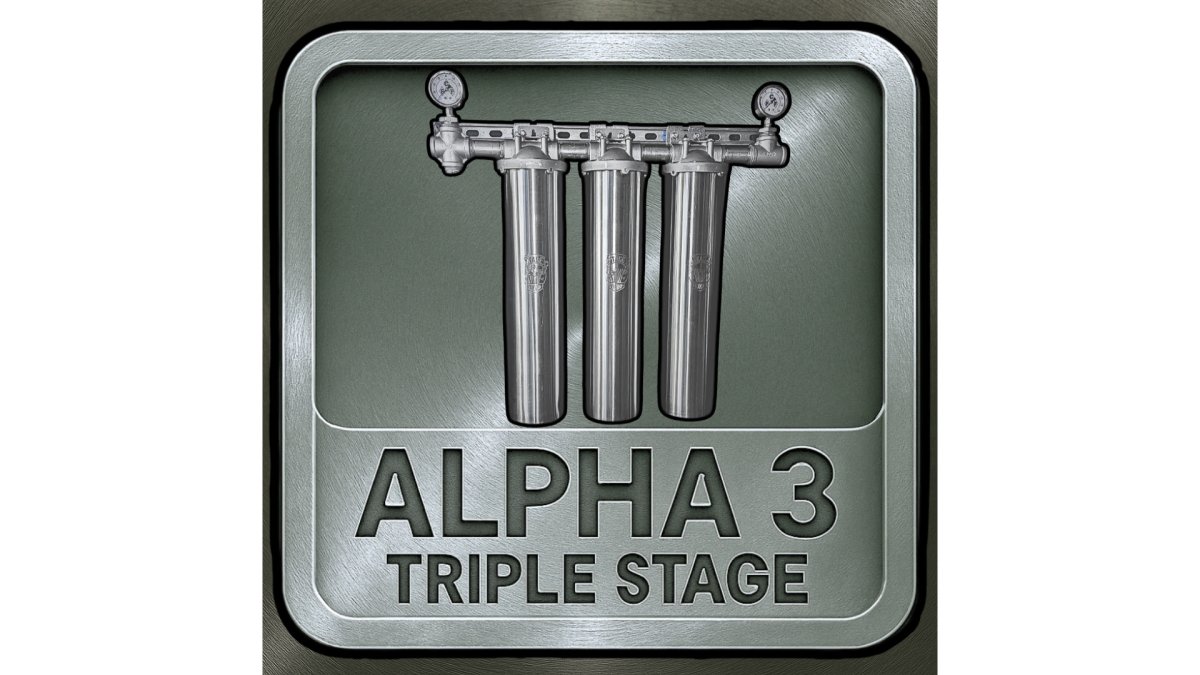
- Housing material. Plastic housings crack under pressure fatigue. Stainless steel holds structural integrity under demanding conditions.
- Upgradeability. Your water can change. A system you can add stages to saves a full replacement later.
If you are weighing point-of-use options, explore our under sink water filters to see the configurations we build. If you want treatment at every tap, compare our whole home water filtration systems for the alternative.
For homeowners planning to stay put, permanent infrastructure can be a better fit than disposable cartridges. The upfront decision matters more than the monthly convenience.
Have Your Water Analyzed Before You Choose a System
Test first, then buy. That order saves money and prevents disappointment. A water analysis tells you total dissolved solids, hardness, iron, sulfur, and other local factors. Without it, you are guessing at which stages you need.
Well-water users know this well. High iron or sulfur changes the pretreatment plan entirely. City water users face different issues, often chlorine and aging pipe sediment.
Start with a clear picture of your source water. Our permanent water filtration guide explains how to plan a system around your results. Then bring those numbers to us.
Frequently Asked Questions
Why is it called reverse osmosis?
Osmosis is the natural movement of water across a semipermeable membrane from a dilute side to a concentrated side, driven by osmotic pressure. Reverse osmosis flips that direction: an external pump applies pressure greater than the osmotic pressure, forcing water molecules from the concentrated feed water through the membrane and leaving dissolved salts and contaminants behind as concentrate. The word reverse describes that inverted flow, and it is the reason the process needs a pump rather than relying on natural equilibrium.
What does a reverse osmosis membrane do?
The RO membrane is the core of the system. Its pore size is small enough to reject most dissolved solids, dissolved salts, and larger impurities while allowing water molecules through. Everything upstream, including the sediment and carbon prefilters, exists to protect that membrane from clogging. Membrane performance depends on feed water quality, applied pressure, and temperature, so protecting it with clean prefiltered water is what keeps contaminant rejection steady over time.
How does a reverse osmosis system work with a storage tank?
Most point-of-use under-sink systems produce purified water slowly, so they send it to a pressurized storage tank and deliver it on demand through a dedicated faucet. A post-filter polishes the water as it leaves the tank. If you notice weak flow at the faucet, the usual causes are low tank pressure, a saturated post-filter, or a clogged prefilter rather than a failed membrane. Checking those three first saves an unnecessary membrane replacement.
How often does reverse osmosis system maintenance need to happen?
Replacement intervals depend on feed water quality and usage, so check your system’s manufacturer guidance and test your water periodically. Signs you are overdue include slower flow, a change in taste, higher total dissolved solids on a test meter, and cloudy or discolored prefilter housings. Log your replacement dates, test your water periodically, and match the schedule to your actual water quality rather than a generic calendar.
Your water is specific to your home, and your filtration should be too. Custom Fabricated Filters LLC builds custom-engineered, stainless steel systems that resist cracking and contamination while supporting higher flow. Get your water analyzed, then let our team design a system that fits it. Get started with Custom Fabricated Filters LLC and analyze my water for free.