Quick Summary
To clean clogged well water pipes, first isolate where the blockage sits by testing single fixtures and multiple taps, then shut off the pump breaker and main valve before flushing the line with a garden hose until water runs clear. Sediment such as sand, silt, clay, and rust is the most common cause, so a patient flush usually clears most blockages.
- Test a fixture near the pressure tank and one far from it to locate the restriction.
- Turn off the pump breaker and close the main shutoff valve before opening any line.
- Soak faucet aerators in white vinegar for about 30 minutes, then rinse them under running water.
- Stop flushing and call a technician if the pump breaker trips or water stays cloudy after an extended flush.
- A layered filtration setup with sediment cartridges can prevent sediment buildup in your pipes.
Table of Contents
- Diagnosing Whether Your Clogged Well Water Pipes Are the Problem
- Why Well Water Low Pressure Sediment Builds Up in Your Pipes
- Shutting Off the Water Supply and Preparing for Cleaning
- How to Flush Clogged Water Lines Without Damaging Your System
- When a Well Pump Clogged With Sediment Needs Professional Service
- How Long It Takes for Well Water to Clear After Flushing
- Preventing Future Sediment Buildup With a Stainless Steel Filtration Setup
- Frequently Asked Questions
How Do You Clean Clogged Well Water Pipes?
Last Updated: November 7, 2026
Clogged well water pipes usually show up as weak water pressure, sputtering faucets, or gritty water coming out of the tap. Sediment is one of the most common causes. The good news is that most homeowners can clear a blockage with a clear diagnosis, a safe shutoff, and a patient flush. This guide walks through each step so you know what to check first.
Diagnosing Whether Your Clogged Well Water Pipes Are the Problem
Start by figuring out where the blockage sits. A clog can live in one fixture, in the house line, in the well pipe, or in the pump itself. Each one needs a different fix, and guessing wrong can waste hours or damage equipment. Use this ordered flow to isolate the problem before you open any line.
Step 1: Test a single fixture. Run cold water at the faucet closest to the pressure tank, then at the faucet farthest from it. If only the far fixture is weak, the blockage is probably in that branch of the house line. If both are weak, move to Step 2.
Step 2: Test multiple fixtures at once. Open two or three cold taps on different floors. If several fixtures are weak at the same time, the restriction is in the house line or upstream of it. If only one tap is weak, clean that fixture’s aerator and screen first.
Step 3: Check the pressure at the tank. With the pump running and a tap open, watch the pressure. Low pressure that does not climb can suggest a supply-side problem, while pressure that climbs normally but drops at the fixtures points to a house-line restriction.
Step 4: Listen to the pump. A pump that runs constantly, cycles on and off rapidly, or shuts off and restarts frequently is a sign of a pump or pressure-tank problem, not a simple pipe clog. Stop here and call a well service technician.
Step 5: Compare before and after a flush. If flushing a fixture restores flow, the clog was local. If flow stays weak after flushing, the restriction is deeper in the house line or in the well pipe.
Testing in this order can help you avoid replacing a pump when the real problem is a clogged screen or a failing pressure tank. For a full step-by-step on diagnosing pressure drops and sediment problems, see troubleshooting well water filtration issues. If you cannot isolate the location after these steps, treat the problem as a well-pipe or pump issue and get professional help before attempting repairs.
Why Well Water Low Pressure Sediment Builds Up in Your Pipes
Sediment is the main reason well water pipes clog. Sand, silt, clay, and rust particles enter the well over time and settle inside pipes, screens, and aerators.
Iron is a frequent contributor. When iron-bearing water meets air, it oxidizes into rust-colored particles that cling to pipe walls. Mineral deposits such as lime and scale can narrow the line further.
Once sediment collects, it slowly restricts flow. Many homeowners notice the problem only after pressure has already dropped significantly.
Shutting Off the Water Supply and Preparing for Cleaning
Before you open any line, cut the water supply to protect the pump and the plumbing.
- Turn off the pump breaker at the electrical panel so the pump cannot run dry.
- Close the main shutoff valve on the house line.
- Open a faucet on the lowest floor to relieve pressure in the system.
- Gather your tools: a bucket, a garden hose, a wrench, rags, and a fish tape or small auger.
Wear gloves and eye protection. Sediment and rust can stain clothing and irritate skin.
How to Flush Clogged Water Lines Without Damaging Your System
Flushing moves loose sediment out of the line, but a careless flush can burn out a pump, crack a filter housing, or push debris into fixtures. Work slowly and isolate the section you are flushing so you do not stir up a large amount of debris at once.
- Isolate the line. Close the main shutoff valve on the house line and turn off the pump breaker at the electrical panel so the pump cannot run dry. Open a faucet on the lowest floor to relieve pressure.
- Remove and clean the aerator from the affected faucet by hand. Soak it in white vinegar for about 30 minutes, then rinse it under running water.
- Connect a garden hose to an outdoor cleanout or hose bib on the house line, and run the hose to a safe drain area.
- Open the cleanout slowly and let water run until it turns from cloudy to clear. Watch the flow: a sudden surge of dark debris means the line is clearing, but a drop to a trickle means the restriction is still in place.
- Close the cleanout, reconnect the faucet, and check flow. Repeat the flush if flow stays weak.
Stop conditions. Stop flushing and call a well service technician if the pump breaker trips, the pressure gauge does not climb when the pump runs, water does not clear after an extended flush, or you see water pooling around the well casing. These are signs of a pump, pressure-tank, or well-screen problem that flushing cannot fix.
Equipment limits. A garden hose flush works for house lines and fixtures, but it cannot clear a clogged well screen or a buried line. Do not exceed the pressure rating on any filter housing or shutoff valve, and never run the pump with the breaker on while a cleanout is open. Keep the pump breaker off until the line is full of water again.
Testing before and after. Collect a water sample before flushing and another after the line clears. Compare sediment, iron, and manganese levels to confirm the flush worked and to identify whether an underlying source, such as iron-bearing water, is feeding the clog. If levels stay high after flushing, the problem is upstream and a filtration or well-service solution is the next step. A Custom Built Water Filtration System designed around your water chemistry is one option to discuss with a professional at that stage.
Clearing faucet aerators and fixtures
Aerators can trap grit before it reaches the rest of the house. Soak the aerator in white vinegar for about 30 minutes, then rinse it under running water. Repeat if flow stays weak.
Mechanical tools and when to use them
A fish tape or small auger can break up a stubborn clog in a fixture drain. Feed the tool slowly, and stop if you feel resistance that does not give. Mechanical tools are best for fixture-level blockages. They are not a good match for well casings or buried lines, and forcing one can scratch a pipe interior and create a new place for sediment to collect.
When a Well Pump Clogged With Sediment Needs Professional Service
Call a licensed well service technician if the pump runs constantly, shuts off and restarts frequently, or if pressure stays low after flushing. These are signs the pump or the well itself may need attention.
A professional can test the pump output, inspect the pressure tank, and check the well screen. Ask for a written estimate before work begins.
How Long It Takes for Well Water to Clear After Flushing
Full clarity can take longer than a few minutes of steady flushing. Run cold water through each affected fixture until the color and clarity stabilize. Expect a delay of several minutes after large flushes, especially if the line was heavily fouled. If water stays cloudy after an extended flush, stop and test the water before continuing.
The article gives a few concrete guidelines on how long clearing takes and what to watch for:
| Timing point | What to expect | Action |
|---|---|---|
| Right after a large flush | Delay of several minutes before clarity | Wait, then check again |
| Clarity check | Run until color and clarity stabilize | Continue running cold water |
| Heavily fouled line | Takes longer than a few minutes | Keep flushing steadily |
| Water still cloudy after extended flush | Sediment remains | Stop and test the water |
Preventing Future Sediment Buildup With a Stainless Steel Filtration Setup
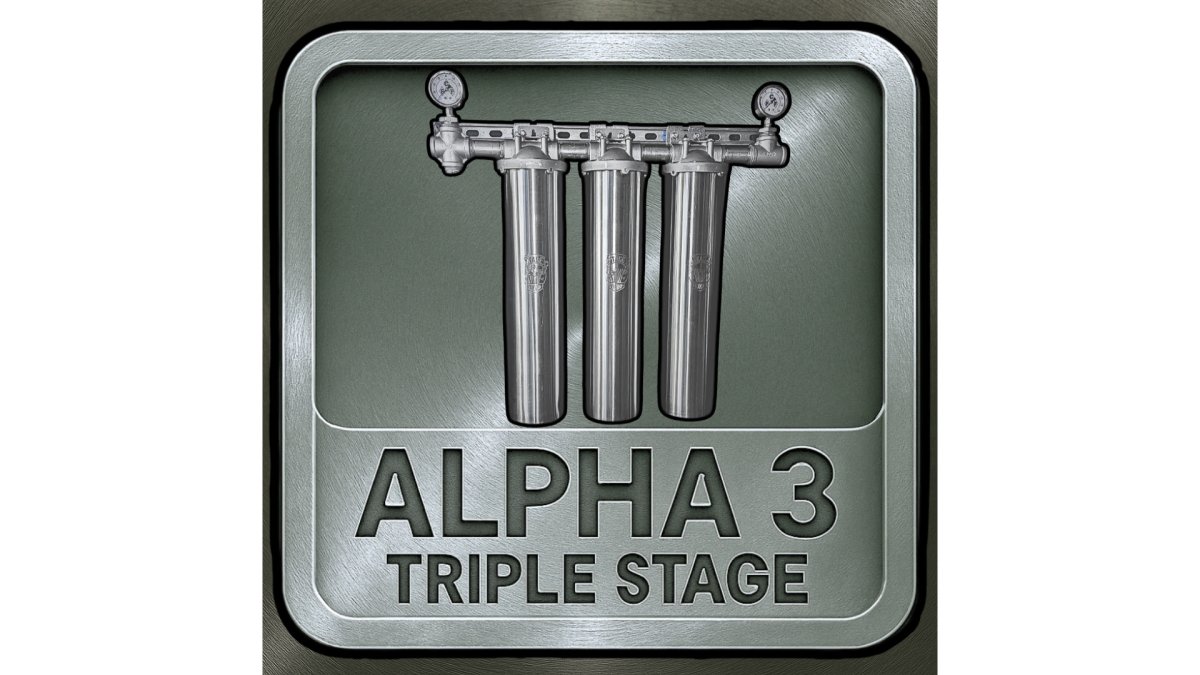
Preventing sediment is easier than cleaning it out later. A layered filtration setup catches particles before they reach your pipes. Our ALPHA-3 Well Water Cartridge set includes a sediment stage and iron reduction media designed for well water, and the Alpha Sediment Cartridge filters dirt, sand, silt, and clay with a 20 micron rating.
For the housing and plumbing, Custom Fabricated Filters LLC builds systems from 100% surgical grade stainless steel. Stainless steel resists the corrosion and cracking common with plastic housings, which helps the system hold up under constant well water pressure. Pair the cartridges with a pressure gauge so you can spot a rising pressure drop before it becomes a clog. Replace sediment cartridges on the schedule the manufacturer recommends, since a neglected cartridge stops protecting your lines. Homeowners who want a housing built to their exact layout can also look into Surgical Grade Stainless Steel Water Filtration Systems as part of a long-term plan.
Ready to stop sediment before it reaches your pipes? Explore Custom Fabricated Filters LLC’s stainless steel filtration systems and ask our team which setup fits your well.
Frequently Asked Questions
How do I clean my well water pipes?
Start by confirming the blockage is in the well line rather than a single fixture. Shut off the pump at the breaker, close the pressure tank valve, and open the lowest faucet in the house. Flush the line in short bursts, watching the discharge for sediment, and repeat until the water runs clear. Test the water afterward if you notice any change in taste, color, or pressure, and call a licensed well contractor if the problem continues.
How long does it take for well water to clear up?
Most well water clears within a few minutes to an hour of flushing once the loose sediment is moving out of the line. Heavier buildup or a well that has been neglected for years can take longer and may need repeated flushing sessions over several days. If the water stays cloudy or discolored after a full flush, the source may be pumping sediment continuously and should be inspected by a professional.
Can a clogged filter cause low water pressure?
Yes. A sediment filter that is full of dirt, sand, or rust restricts flow and can noticeably drop pressure at every tap. Check the filter housing first, since it is one of the quickest things to inspect. Replacing a clogged sediment cartridge, such as the ALPHA-3 Well Water Cartridge set or the Alpha Sediment Cartridge, may be part of resolving low pressure, but if pressure stays low after replacement the cause may lie deeper in the line or pump.
When should I call a well contractor or plumber?
Call a professional if the blockage is not clearing after a careful flush, if the pump cycles frequently or runs without producing water, or if you notice sand or grit at every faucet. Professional service is also the safer choice when chemical treatment or disinfection is needed. Ask for a written estimate before work begins.