Table of Contents
- How to Test Well Water for Iron Before You Buy
- Signs of Iron in Well Water: Staining, Taste, and Plumbing Damage
- Ferrous vs. Ferric Iron: Why the Type Decides Your System
- Well Water Iron Removal Systems Compared: Air Injection, Chemical Oxidation, and Filtration
- Whole House vs. Point-of-Use Iron Removal Systems
- Well Water Iron Removal Maintenance: What Keeps Systems Working
- DIY vs. Professional Installation and Water Chemistry Compatibility
- Conclusion: Match the System to Your Water, Not the Marketing
- Frequently Asked Questions
Last Updated: September 14, 2026
How to Test Well Water for Iron Before You Buy
Testing for iron starts with a sample from a faucet that has not run overnight, because that first draw captures what is sitting in your plumbing. A well water iron removal system only performs as well as the water analysis behind it, so testing comes first. This guide from Custom Fabricated Filters LLC walks through the full decision path: identifying your iron type, matching it to the right technology, and keeping the system working for decades.
Iron rarely travels alone. A basic lab panel should cover iron, manganese, hydrogen sulfide, water hardness, total dissolved solids, and pH balance, since each one changes which treatment path makes sense. The U.S. Geological Survey water quality information explains how these constituents behave in groundwater. For a complete picture, order a certified lab test rather than relying on a strip alone.
- Clear-water sample: drawn after the system has run for several minutes, shows dissolved iron
- First-draw sample: drawn before any water has run, captures what settled in the pipes
- Lab panel: iron, manganese, sulfur, hardness, TDS, and pH in one report
Draw two samples, not one. A clear sample after the lines have run and a first-draw sample taken before any water moves tell you whether iron is dissolved in the water or already settling in your plumbing. That single distinction changes the system you buy.
Signs of Iron in Well Water: Staining, Taste, and Plumbing Damage
Orange staining on fixtures, a metallic taste, and rust-colored laundry are the clearest signs of iron in well water. These symptoms point to iron contamination, and the pattern of staining tells you as much as the test result does.
Ferric iron leaves rust-colored sediment and stains that appear on fixtures, sinks, and laundry. Ferrous iron stays dissolved and clear until it meets air, then turns orange. A metallic taste in coffee or tea usually signals dissolved iron, while a sulfur smell points to hydrogen sulfide riding along with it. Over time, iron feeds bacterial iron growth and plumbing corrosion, narrowing pipes and reducing flow rate. Appliance protection matters too: iron scale shortens the life of water heaters and dishwashers. The CDC guidance on drinking water covers why testing and treatment matter for household water.
Ferrous vs. Ferric Iron: Why the Type Decides Your System
Ferrous iron is dissolved in water and invisible until it oxidizes, while ferric iron has already oxidized into visible rust particles. The type of iron in your water decides which treatment technology will actually work, which is why testing comes before shopping.
Ferrous iron needs oxidation to convert it into a filterable particle. Ferric iron is already a particle and can be trapped by mechanical filtration, provided the sediment filter is fine enough. Bacterial iron, which is iron bound up with iron-related bacteria, adds a biological component that changes maintenance needs. Manganese behaves similarly and often appears alongside iron. Get the type wrong and you buy a system that clogs, underperforms, or fails within months.
Buying a filter before you know your iron type is the most common and most expensive mistake in well water treatment. A system built for ferric iron will clog quickly on dissolved ferrous iron, and you will be replacing cartridges constantly instead of solving the problem.
Well Water Iron Removal Systems Compared: Air Injection, Chemical Oxidation, and Filtration
Air injection, chemical oxidation, and mechanical filtration are the three main approaches to iron removal, and each one only works when it matches your water chemistry. Most buying guides skip that last part. The technology is not the deciding factor, your pH, iron level, and companion contaminants are.
Air injection pulls oxygen from the air into the water, oxidizing dissolved ferrous iron into a filterable particle that a media bed then traps. It works best when pH sits in a mid-range window, because acidic water resists oxidation and lets ferrous iron slip through. Air injection needs consistent household flow to draw air in reliably, and the media bed has to be maintained on the manufacturer’s schedule.
Chemical oxidation injects an oxidizing agent to do the same job faster and more aggressively. It handles heavier iron loads and water where air injection struggles, but it adds dosing equipment, chemical handling, and a need to keep the oxidizer matched to the actual iron level. Overdosing wastes chemical; underdosing lets iron break through.
Mechanical filtration only handles ferric iron that has already oxidized into a particle. It is the simplest option and the wrong one for dissolved ferrous iron, because there is nothing solid to trap. A sediment filter fine enough to catch rust particles is the foundation, but it cannot convert dissolved iron on its own.

| System Type | Best For | Key Consideration |
|---|---|---|
| Air injection | Ferrous iron, moderate levels, mid-range pH | Needs consistent flow and media maintenance |
| Chemical oxidation | High iron, combined contaminants, low pH | Requires chemical handling and dosing control |
| Mechanical filtration | Ferric iron, sediment | Cartridge changes tied to sediment load |
Why Water Chemistry Decides the Winner
This is the part most guides leave out. Iron does not behave the same way in every well.
- pH balance: Acidic water keeps iron dissolved longer and slows oxidation, which pushes you toward chemical oxidation or a pH correction step before air injection. Higher pH lets iron precipitate more readily.
- Total dissolved solids (TDS): High TDS changes how media beds perform and can shorten their useful life, so a system sized on iron alone may underperform.
- Manganese: Almost always rides along with iron and behaves similarly, but it can foul media faster and needs its own treatment consideration.
- Hydrogen sulfide: The sulfur smell that often accompanies iron adds a biological and odor problem that a straight iron filter will not solve.
- Iron bacteria: When iron is bound up with iron-related bacteria, the biological component changes maintenance needs and can clog media beds that would otherwise last for years.
A common pattern is a homeowner buying an air injection system for acidic well water, watching it underperform, and blaming the equipment. The equipment was fine; the chemistry was wrong. Flow rate and grain capacity still determine whether a system keeps up with household demand, but chemistry determines whether it works at all. The EPA private well information is a useful starting point for understanding what private well owners should monitor.
Whole House vs. Point-of-Use Iron Removal Systems
Whole house systems treat every tap, while point-of-use systems treat a single fixture. For iron, whole house treatment is usually the right call because iron damages pipes, water heaters, and appliances throughout the building, not just at the kitchen sink.
Point-of-use filtration makes sense when iron is a drinking-water concern only and the rest of the plumbing is not affected. That is rare with well water, since iron travels through the whole system. A whole house approach protects appliance protection across the building and stops orange staining at the source. It also supports higher flow performance when the plumbing is sized correctly. For homeowners building new properties, planning whole house treatment from the start avoids retrofitting later.
Well Water Iron Removal Maintenance: What Keeps Systems Working
Well water iron removal maintenance comes down to three habits: watching pressure, replacing cartridges on schedule, and keeping the media bed in condition. Iron systems fail from neglect far more often than from bad design, but the failures follow predictable patterns, and knowing them turns a mystery into a fix.
Why Systems Actually Fail
Most iron system problems trace back to one of a handful of causes:
- Iron bacteria: These organisms feed on iron and form a slimy biofilm that coats media beds and clogs filters. Once established, they shorten media life and can make a system seem like it stopped working overnight. A sulfur smell alongside iron is a common clue.
- Improper settings: A system configured for the wrong iron level or flow rate either under-treats the water or wastes capacity. Settings that were right at installation can drift out of tune as water chemistry shifts.
- Undersizing: A unit matched to a generic average rather than your well pump’s actual output starves the media bed, shortens its life, and lets iron break through during high demand.
- Skipped cartridge changes: A clogged sediment filter raises pressure drop, reduces flow, and lets iron reach the media bed already loaded with sediment.
- Chemistry drift: pH and TDS change over time. A system that worked at installation can underperform a year later without any equipment fault.
The Maintenance Routine
- Check pressure drop across the system monthly; a rising drop signals a clogged sediment filter
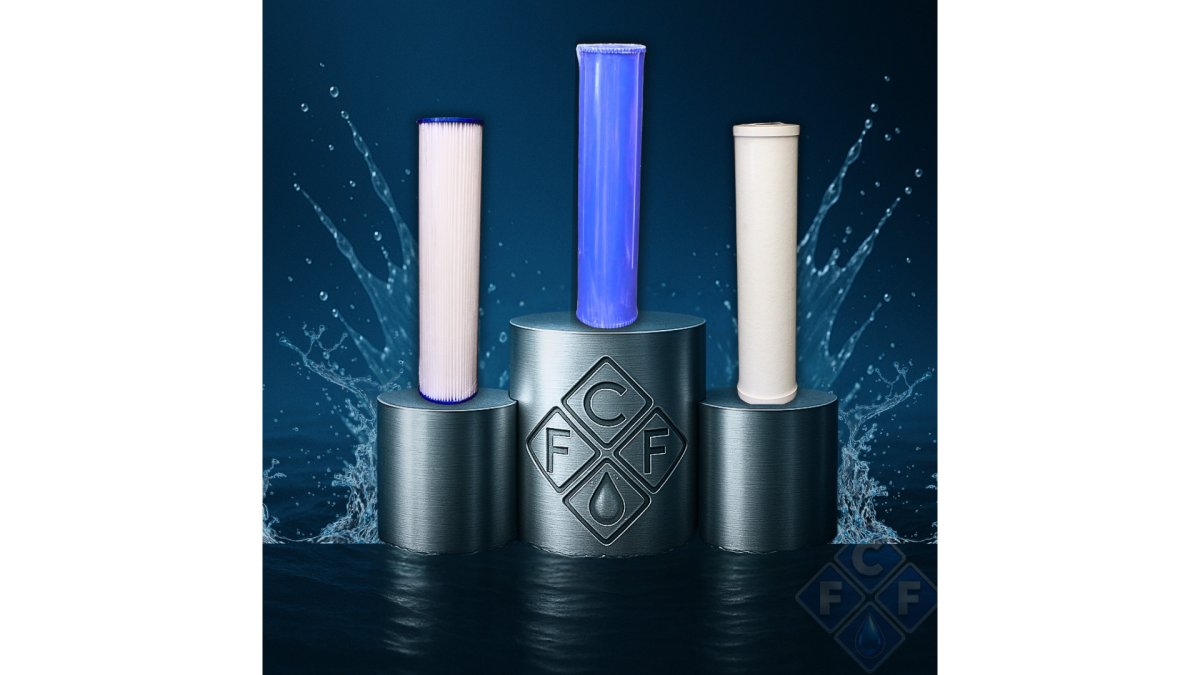
- Replace sediment cartridges on schedule; a 20 micron pleated cartridge is the foundation of the system
- Inspect the media bed and oxidation components as the manufacturer directs
- Re-test water annually, since water chemistry shifts over time
- Keep spare cartridges on hand so a clog never becomes an outage
The Long-Term Cost Picture
Initial purchase price is the least useful number when comparing iron systems. What matters is the total cost of ownership over the life of the unit:
- Media replacement: Media beds have a finite life. Iron bacteria, high sediment loads, and heavy iron levels all shorten it. Replacing media is the single largest recurring expense most owners overlook.
- Cartridge frequency: Sediment cartridges are consumables. The dirtier the water, the more often they need replacing, and the cost adds up faster than the sticker price suggests.
- Oxidation components: Chemical oxidation systems add dosing parts and chemicals to the recurring budget; air injection systems trade that for media maintenance.
- Water and energy: Every treatment step uses water and power, and a system that is undersized or misconfigured uses more of both.
A generic off-the-shelf unit that ignores your iron type, chemistry, or flow rate will cost more in the long run than a properly calibrated system, because you pay for the mismatch every month in cartridges, media, and wasted water. The Water Quality Association offers consumer guidance on treatment and maintenance.
Maintenance is not just keeping a system running, it is keeping it matched to water that changes over time. Re-test annually, watch pressure drop, and treat media replacement as a planned cost, not a surprise.
DIY vs. Professional Installation and Water Chemistry Compatibility
Water chemistry compatibility decides whether a system works at all, and installation quality decides whether it lasts. pH balance, hardness, manganese, and hydrogen sulfide all interact with iron treatment, and a system spec’d without accounting for them will underperform.
DIY installation appeals to homeowners who are comfortable with plumbing, but iron systems involve pressure tank connections, flow rate matching, and correct sizing. A common mistake is undersizing the system for the well pump’s output, which starves the media bed and shortens its life. Professional installation from master plumbers ensures the system is calibrated to your actual water, not a generic average. That calibration is where Custom Fabricated Filters LLC focuses, using the C.L.E.A.R.™ Water Intelligence System to match filtration stages to your specific water analysis. For wells with stubborn or combined contaminants, Custom Built Water Filtration Systems are assembled around your test results rather than a one-size-fits-all template.
The right system is the one matched to your iron type, water chemistry, and household flow rate. A generic off-the-shelf unit that ignores any of those three will cost more in the long run than a properly calibrated system.
Conclusion: Match the System to Your Water, Not the Marketing
The hard part of iron removal is not choosing a filter, it is knowing what your water actually contains. Test first, identify whether your iron is ferrous or ferric, account for manganese, sulfur, and hardness, then match the technology to that profile. Custom Fabricated Filters LLC builds custom-engineered systems from 100% surgical-grade stainless steel, designed as permanent infrastructure rather than disposable plastic, and calibrated through the C.L.E.A.R.™ Water Intelligence System. The stainless steel construction resists cracking and pressure fatigue, supports higher flow performance with full-port plumbing, and carries a lifetime warranty. Get started with Custom Fabricated Filters LLC and get a system matched to your water, not the marketing.
Frequently Asked Questions
What is the best system to remove iron from well water?
The right iron removal system depends on your iron type. Ferrous iron dissolves in water and responds well to oxidation followed by filtration, while ferric iron is already a particle and needs mechanical filtration. A water analysis identifies which form you have, plus manganese, hydrogen sulfide, and pH balance. Matching the treatment to your water chemistry matters more than picking a brand.
How do I know if I have iron in my well water?
Common signs of iron in well water include orange staining on fixtures and laundry, a metallic taste, and clogged pipes or reduced flow rate over time. You may also notice sediment in toilet tanks. A laboratory water analysis confirms the iron level and whether bacteria or manganese are present, which changes the treatment approach.
What maintenance is required for well water iron removal systems?
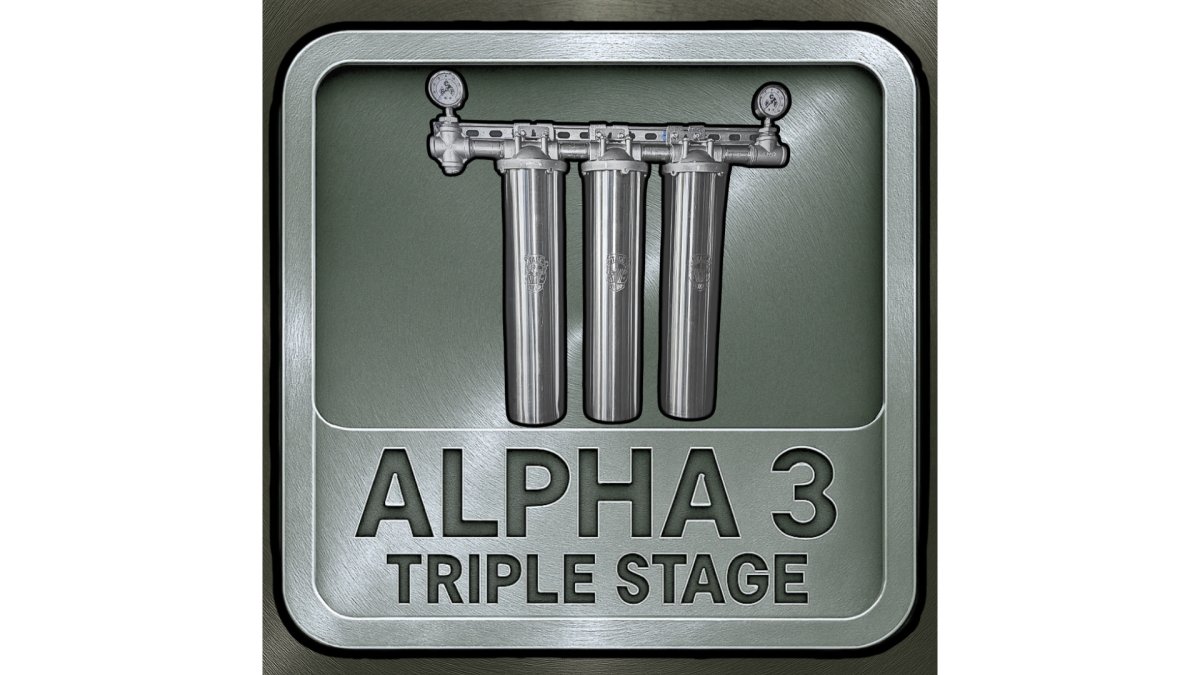
Well water iron removal maintenance typically involves replacing sediment filter cartridges on a set schedule, checking the media bed, and confirming the oxidation stage works correctly. Cartridge sets calibrated to your water, such as the ALPHA-3 or ALPHA-4 Well Water Cartridge sets, simplify this. Skipping replacements reduces filtration efficiency and can let iron reach plumbing.
Can iron in well water damage home plumbing and appliances?
Yes. Iron buildup narrows pipes, raises plumbing corrosion risk, and shortens the life of water heaters and appliances. Ferric iron and bacterial iron clog pipes and fixtures faster than dissolved ferrous iron. Treating iron early protects appliance protection and keeps flow rate steady throughout the home.
Will shocking a well get rid of iron?
Shocking a well addresses iron bacteria, not dissolved iron. If a water analysis shows bacterial iron, disinfection can clear the well, but the iron itself still needs oxidation and filtration to be removed. Shock treatment alone will not stop orange staining or metallic taste from ferrous iron.
How does stainless steel filtration compare to plastic systems for iron removal?
Stainless steel housings resist cracking, pressure fatigue, and contamination better than plastic over years of service. Iron and sediment wear on housings, so durability matters. A stainless steel system built as permanent infrastructure also supports higher flow performance and can be upgraded with additional filtration stages as water conditions change.
How much does a well water iron removal system cost?
Pricing depends on your water test results, flow rate needs, and the number of filtration stages required. Custom-built systems are quoted per property because iron, manganese, and pH balance vary widely between wells. Request a water analysis and quote from a provider to get accurate numbers for your situation.