Table of Contents
- How to Identify Microplastics in Tap Water
- Step 1: Install the Best Water Filtration for Microplastics
- Step 2: Replace Plastic Food Storage and Kitchenware
- Step 3: Change How You Cook and Heat Food
- Step 4: Filter Your Laundry to Capture Microfibers
- Step 5: Improve Indoor Air Quality and Dust Control
- Step 6: Choose Natural Textiles and Reduce Packaging Waste
- Step 7: Build a Microplastic Free Living Routine
- Frequently Asked Questions
Last Updated: September 21, 2026
How to Identify Microplastics in Tap Water
Microplastics are tiny plastic particles under 5 millimeters wide, and they show up in household water more often than most people expect. This guide from Custom Fabricated Filters LLC walks through seven practical steps to reduce microplastic exposure at home, starting with your water supply.

Signs Your Water May Contain Plastic Particles
Cloudy water, a faint plastic smell, or sediment that settles in a glass overnight can all point to a problem. None of these confirm microplastics on their own, but they signal that your water carries particles worth investigating.
When to Test Your Water Supply
Test your water if you notice changes in taste, smell, or clarity, or if your home was built before modern plumbing standards. Testing also makes sense after any plumbing repair that disturbs old pipes.
Step 1: Install the Best Water Filtration for Microplastics
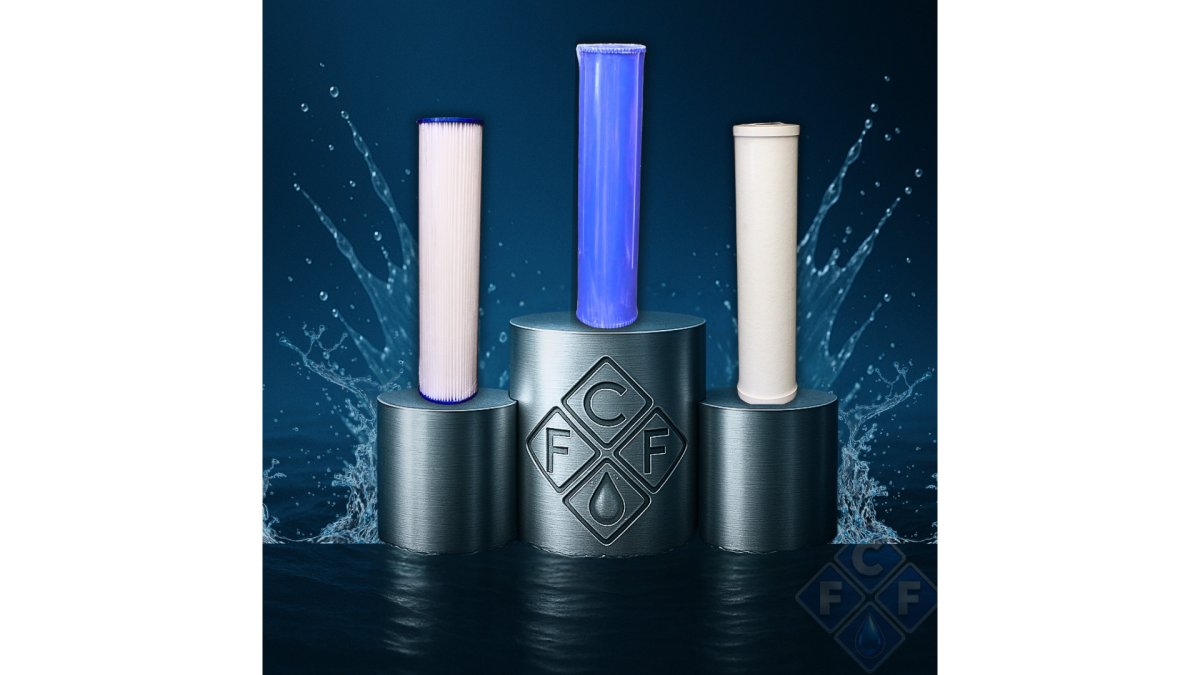
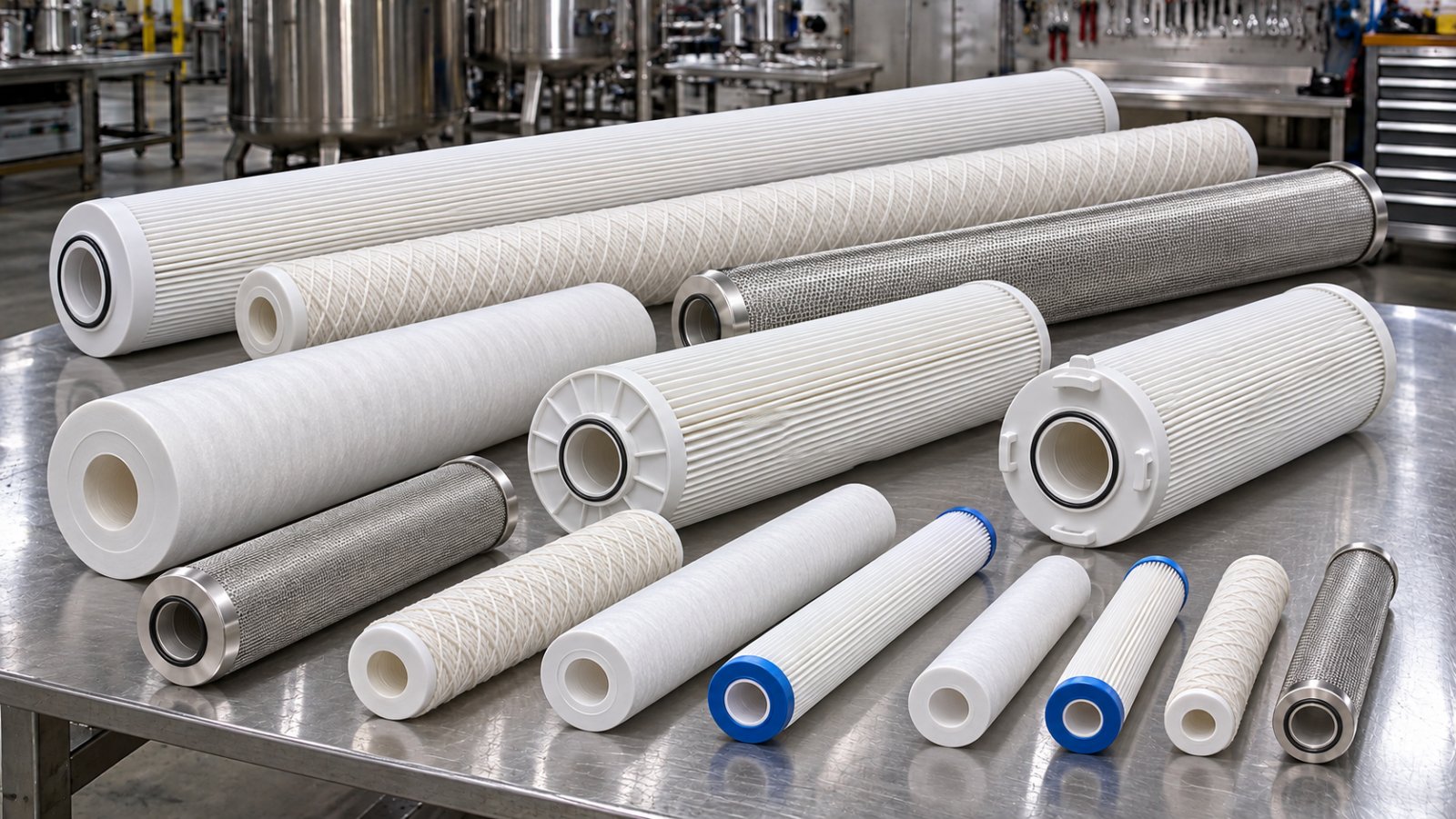
The best water filtration for microplastics uses a multi-stage design with a fine physical barrier, not just a carbon taste filter. Look for systems rated to capture particles in the micron range, since that is where many plastic fragments sit.
Why Stainless Steel Systems Outlast Plastic Housings
Plastic filter housings can crack, fatigue under pressure, and shed particles over time. That defeats the purpose of filtering in the first place.
Step 2: Replace Plastic Food Storage and Kitchenware
Swap plastic containers for glass, stainless steel, or food-grade ceramic. This one change cuts a major source of household plastic contact with food and drink.
Start with the items you use daily:
- Glass containers with lids for leftovers
- Stainless steel water bottles
- Wooden or bamboo utensils
- Ceramic or glass mixing bowls
Step 3: Change How You Cook and Heat Food
Never microwave food in plastic, even if the container says “microwave safe.” Heat speeds up leaching, and hot food pulls particles out of plastic faster than cold food does.
Step 4: Filter Your Laundry to Capture Microfibers
Most guides on microplastic exposure stop at the kitchen and the water glass. The laundry room is where the biggest volume of plastic leaves your home, and almost nobody writes about it. That makes it the single most underserved step in this entire routine.
How Laundry Filtration Actually Works
There are two consumer-level approaches, and they solve the problem in different places:
- In-line washer filters attach to the discharge hose on the back of the machine. Wash water passes through a fine mesh or cartridge before it hits the drain, trapping fibers at the source. These need to be emptied and rinsed every few loads, and the cartridge or mesh bag gets replaced on a schedule.
- Washing bags and balls go inside the drum with the load. A fine-mesh bag holds synthetic items so shed fibers stay contained, and you empty the bag into the trash after the cycle. Cora Ball-style floating catchers work the same way, they snag fibers in the drum before they drain.
Habits That Cut Fiber Shedding Before It Starts
Filtration catches what sheds. These habits reduce how much sheds in the first place:
- Wash full loads. A packed drum means less mechanical friction per garment than a half-empty one.
- Use cold water and a gentle cycle. Heat and agitation both accelerate fiber loss from synthetic fabric.
- Skip the dryer when you can. Dryer lint is largely airborne microfiber. Line-drying synthetic items keeps those fibers out of the exhaust stream.
- Wash synthetics less often. Spot-clean and air out between wears. Every skipped cycle is a skipped shed event.
- Separate synthetics from naturals. Natural fibers like cotton and wool do not shed plastic, but they can abrade synthetics in the drum and increase fiber loss.
What to Look For in a Laundry Filter
Check three things before you buy:
- Mesh rating. Finer mesh captures more, but clogs faster. Look for a filter rated for the micron range where microfibers sit, not a coarse lint screen.
- Compatibility. Confirm the filter fits your washer type, top-load, front-load, and high-efficiency machines have different discharge setups.
- Maintenance load. A filter you never empty stops working. Pick one whose cleaning routine you will actually keep up with.
Run one load of synthetics through your new filter and check what it catches after the first cycle. Seeing the fiber mat in person is the fastest way to understand why this step matters.
This is the step most households skip, and it is the one with the largest upstream impact. Filtering your drinking water protects your household. Filtering your laundry protects everyone downstream of your drain.
Alpha-3 Water Filtration System →
Step 5: Improve Indoor Air Quality and Dust Control
Drinking water and food get most of the attention, but inhalation is a real exposure route. Microplastics in household dust come from clothing fibers, upholstery, carpet backing, foam padding, and the breakdown of synthetic furnishings. Those particles are small enough to stay airborne for hours and small enough to reach deep into the lungs when you breathe them in.
Why HEPA Filtration Is the Standard
HEPA filters are rated to capture 99.97% of particles at 0.3 microns. That rating matters here because the microfibers and fragments that concern us sit in roughly that size range. A standard vacuum or air purifier without HEPA does not trap those particles, it pulls them in and blows them back out, which is worse than leaving them on the floor.
Two pieces of equipment do the heavy lifting:
- A HEPA vacuum for floors, rugs, upholstery, and mattresses. Bagged models with sealed systems keep captured dust from leaking back into the room. Bagless units with poor seals can re-release what they just collected.
- A HEPA air purifier sized to the room. Match the unit’s clean air delivery rate to the square footage, and run it continuously in bedrooms where you spend eight hours a night breathing.
Vacuuming Technique Matters as Much as the Vacuum
A HEPA vacuum used wrong still leaves dust behind. A few habits make the difference:
- Slow passes. Rushing over carpet leaves fibers behind. Overlap each pass and let the suction do the work.
- Multiple directions. Go over high-traffic areas in two perpendicular directions to lift fibers that settle deep in the pile.
- Empty or change the bag outdoors. Do it outside or into a sealed bag so you do not reintroduce dust into the room.
- Do not skip mattresses and upholstery. These are reservoirs. A mattress holds shed skin cells, fiber fragments, and dust mites, and it sits inches from your face all night.
Wet Dusting Beats Dry Dusting
A dry cloth or feather duster just moves dust from one surface to another. A damp microfiber cloth grabs particles and holds them. Wipe shelves, baseboards, window sills, and electronics weekly with a damp cloth, and rinse it in the sink between passes so you are not smearing particles around.
Reduce What Sheds in the First Place
- Replace wall-to-wall carpet with hard flooring where you can, or use washable rugs with natural backing.
- Choose natural-fiber upholstery and bedding over synthetic blends.
- Keep humidity in a moderate range, very dry air lets fine particles stay suspended longer.
- Ventilate when you cook, clean, and do laundry, since those activities stir up and generate particles.
Do not rely on a single air purifier to cover a whole house. HEPA units are room-sized tools. One unit in the living room will not clean the bedroom where you sleep.
Air is the exposure route people forget, and it runs around the clock. Pairing HEPA filtration with damp dusting and source reduction closes the loop that water and kitchen changes leave open.
Step 6: Choose Natural Textiles and Reduce Packaging Waste
Natural textiles like cotton, wool, linen, and hemp shed far fewer synthetic fibers than polyester or acrylic. Switching your bedding, towels, and clothing to natural materials lowers the microfiber load in your home.
Step 7: Build a Microplastic Free Living Routine
A microplastic free living routine works best as a set of small, repeatable habits rather than one big overhaul. Pick two changes, hold them for a month, then add more.
Use this simple tracker to stay on course:
| Step | Action | Frequency |
|---|---|---|
| Water | Use stainless steel filtration | Daily |
| Kitchen | Cook and store in glass | Every meal |
| Laundry | Run washer filter | Every load |
| Air | HEPA vacuum and dust | Weekly |
| Textiles | Choose natural fibers | On replacement |
Check your fridge and pantry for plastic containers that have gone cloudy, scratched, or warped. Those surfaces shed particles faster, so they should be the first ones you replace.
Do not assume a “BPA-free” label makes a plastic container safe for heat. Many BPA-free plastics use substitute chemicals that can still leach when heated.
Frequently Asked Questions
What are the most common sources of microplastics in the home?
The biggest sources include plastic food containers, synthetic clothing fibers released during laundry, plastic water pipes and bottle caps, household dust from synthetic textiles, and plastic cutting boards. Heat accelerates leaching from plastic kitchenware, while washing synthetic fabrics like polyester and nylon sheds microfibers into wastewater. Reducing microplastic exposure at home means addressing water, food storage, laundry, and air quality together rather than focusing on just one area.
Can water filtration systems remove microplastics?
Yes. A properly sized filtration system with sediment and carbon stages captures particles down to the micron level, which includes many microplastics. The housing material matters too: stainless steel systems avoid adding new plastic particles the way aging plastic housings can. For households on well water or with older plumbing, a whole-house system provides more consistent protection than point-of-use pitchers alone.
Does vacuuming help reduce household microplastic dust?
Vacuuming helps, but only with the right equipment. A vacuum fitted with HEPA filtration traps fine particulate matter instead of recirculating it into the air. Standard vacuums can push microplastic dust back into the room. Pair HEPA vacuuming with regular wet wiping of surfaces and entryway mats to cut down on tracked-in particles.
What materials should I avoid to reduce microplastic intake?
Avoid plastic food containers for hot foods, plastic cutting boards, plastic kettles, and synthetic clothing where natural textiles are practical. Replace these with food-grade glass, stainless steel, bamboo, and natural fibers like cotton or wool. Even small swaps reduce chemical exposure over time, especially when you stop heating food in plastic.