Last Updated: October 25, 2026
Quick Summary
The best water softener for high iron well water is a multi-stage system that removes iron before it reaches the softener resin, not a softener alone. Iron fouls softener resin at levels above 2 ppm, so dedicated iron removal through oxidation and filtration must come first, followed by hardness reduction.
- Water softeners alone cannot remove iron and will foul resin when iron exceeds 2 ppm
- Professional water testing identifies iron concentration and type to guide system selection
- A staged approach uses sediment removal, iron oxidation, hardness reduction, and polishing in sequence
- Custom-built systems with stainless steel housings protect against fouling and scale buildup
- Iron damage to resin accelerates above 3-5 ppm, cutting resin life in half or causing failure within one to two years
Table of Contents
- Can a Water Softener Handle High Iron in Well Water?
- Why Water Testing for Iron in Well Water Matters First
- Iron Fouling and Resin Protection: The Real Challenge
- Best Iron Filter for Well Water vs. Water Softener Alone
- How to Remove Iron from Well Water: Treatment Stages That Work
- Custom-Built Systems for High Iron Well Water
- Getting Your Water Analyzed for the Right Solution
- Frequently Asked Questions
Can a Water Softener Handle High Iron in Well Water?
A water softener alone cannot fully remove high iron from well water. Water softeners are designed to reduce hardness caused by calcium and magnesium, but iron requires a different treatment approach. When iron levels are elevated, it fouls the resin inside a softener, reducing its ability to soften water and shortening its lifespan significantly. This guide from Custom Fabricated Filters LLC covers what actually works for the best water softener for high iron well water and when you need more than one system.
The challenge with high iron well water is that iron exists in different forms. Some iron dissolves in water (ferrous iron), while other iron has already oxidized and appears as visible particles (ferric iron). A standard softener struggles with both types, but ferric iron causes the most damage to resin beds. Understanding this distinction is crucial before choosing your treatment strategy.
If your well water contains noticeable iron staining on fixtures or a metallic taste, you likely have a problem that requires pretreatment before water softening. The good news: multi-stage systems exist that handle both iron removal and hardness reduction effectively.
Why Water Testing for Iron in Well Water Matters First
Water testing is the foundation of choosing the right system. You cannot select an effective solution without knowing your specific water chemistry. Get professional water testing from CF Filters to identify contaminant levels and guide your treatment decision.
Testing reveals three critical details: iron concentration, iron type, and hardness levels. These measurements determine whether you need a dedicated iron filter, a multi-stage system, or a combination approach. Without this data, you risk buying equipment that either undersizes your needs or oversizes your budget.
Many homeowners skip testing and regret it later. A system sized for moderate iron fails when actual levels are high. Conversely, oversized systems waste money and salt on capacity you’ll never use. Professional testing eliminates this guesswork and ensures your investment protects your water quality and plumbing.
Iron Fouling and Resin Protection: The Real Challenge
Iron fouling is the primary reason water softeners fail in high-iron well water situations. When iron contacts the resin beads inside a softener, it oxidizes and binds permanently to the resin surface. This buildup reduces the resin’s ability to exchange ions and soften water.
The damage happens even with ferrous iron, which appears clear in water. Once it enters the softener’s resin bed, it oxidizes internally and causes the same fouling problem. This is why pretreatment before softening is essential for well water with measurable iron content.
How much iron is too much? Most softener manufacturers recommend keeping iron levels below 2 ppm (parts per million) for resin-based softening. Above that threshold, fouling accelerates dramatically. At 3-5 ppm, resin life can be cut in half; above 5 ppm, a softener alone is likely to fail within a year or two.
Resin cleaners can extend the life of fouled resin, but they are temporary solutions. They remove some oxidized iron but cannot restore resin to original performance. Regular cleaning becomes necessary, adding maintenance costs and complexity.
Protecting resin starts with removing iron before it reaches the softener. A dedicated iron filter or a multi-stage system with iron reduction media upstream of the softener prevents fouling entirely. For lower iron levels (below 2 ppm), some softeners with iron-tolerant resins and frequent regeneration can manage, but they still require vigilant maintenance.
If you see iron staining on fixtures or notice a metallic taste, your iron level is likely above 2 ppm. Do not rely on a softener alone, pretreatment is essential to protect your investment.
Best Iron Filter for Well Water vs. Water Softener Alone
An iron filter and a water softener serve different purposes and work best together in high-iron situations. The best water softener for high iron well water is paired with dedicated iron removal equipment upstream.
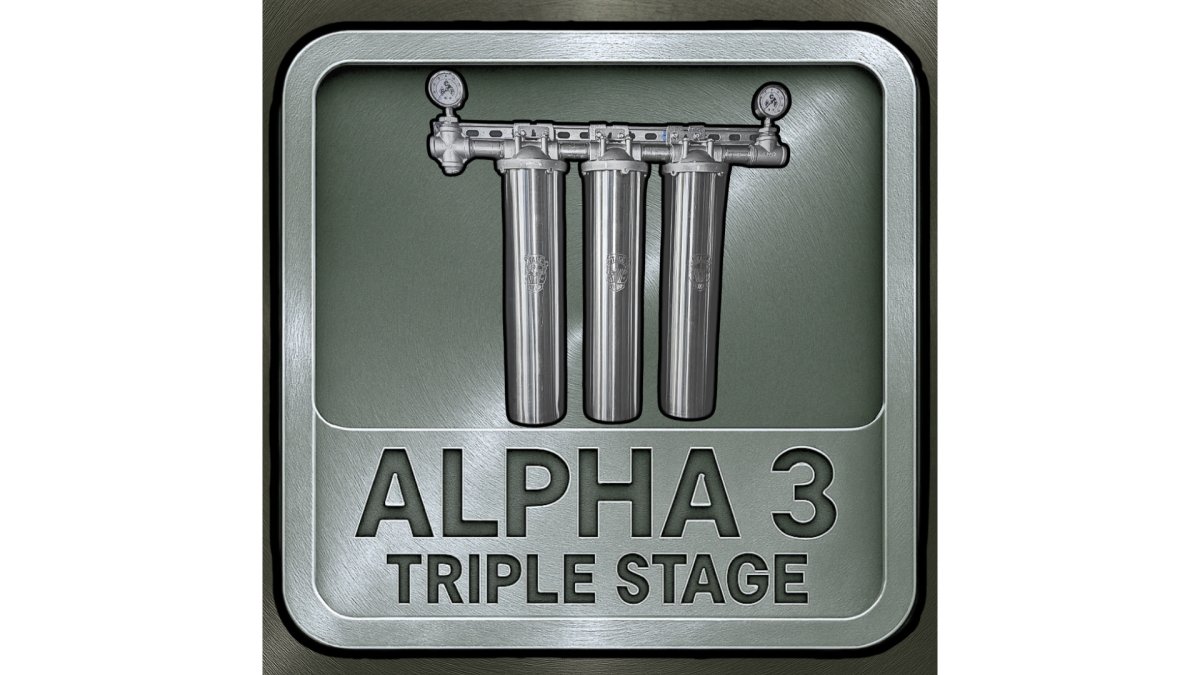
Iron filters use oxidation and filtration to convert dissolved iron into particles, which are then trapped in the filter media. The Alpha Ultimate Water Filtration System represents a comprehensive approach that combines iron removal with multi-stage filtration for complete well water treatment. This pretreatment protects the softener resin from fouling. Common iron filter media include catalytic carbon and greensand, which oxidize ferrous iron and capture it mechanically.
A softener alone cannot perform this pretreatment function. Its resin is designed for ion exchange, not iron removal. Combining both systems creates a complete treatment strategy: iron removal first, then hardness reduction.
The decision between a dedicated iron filter and a multi-stage system depends on your iron concentration and flow rate requirements. Higher iron levels benefit from dedicated iron filtration. Lower to moderate levels may be addressed by integrated multi-stage systems designed specifically for well water.
How to Remove Iron from Well Water: Treatment Stages That Work
Effective iron removal follows a staged approach. Learn how to identify contamination and choose the right system through a comprehensive well water treatment guide that covers multi-stage methodology.
Stage 1: Sediment Removal captures visible particles, sand, silt, and rust from your well. This protects downstream equipment from mechanical damage and improves the effectiveness of later stages.
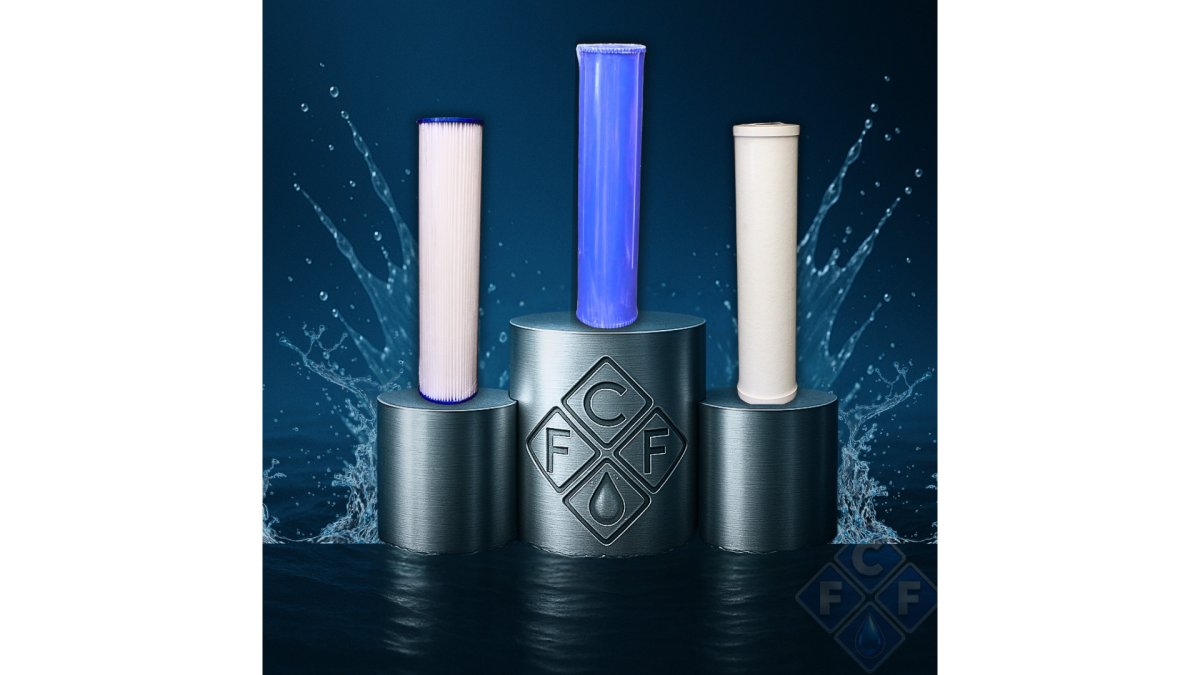
ALPHA-3 Well Water Cartridge set →
Stage 2: Iron Oxidation and Reduction converts dissolved iron into particles that can be filtered. This stage uses specialized media designed to oxidize ferrous iron and trap ferric iron particles. Common media include:
- Catalytic carbon: Enhances oxidation of ferrous iron and adsorbs some organics.
- Greensand: A naturally occurring mineral that oxidizes and filters iron, but requires periodic regeneration with potassium permanganate.
- Birm: A lightweight media that uses dissolved oxygen to oxidize iron, but requires pH above 7.0 and low organic content.
- Air injection: Introduces oxygen to oxidize iron before filtration, often paired with a media filter.
The choice depends on your water chemistry: pH, iron concentration, and the presence of manganese or organics.
Stage 3: Hardness Reduction removes calcium and magnesium using resin or salt-free cartridges. This stage protects your plumbing and appliances from scale buildup. If iron is properly removed upstream, the softener resin stays clean and efficient.
Stage 4: Final Polishing (in premium systems) further refines water quality and removes any remaining particulates or odors. This might include a carbon block for taste and odor or a UV sterilizer for microbial protection.
This sequence matters. Skipping sediment removal allows particles to clog iron-removal media. Skipping iron oxidation sends dissolved iron directly to the softener resin. Each stage builds on the previous one to deliver clean, soft water.
A common pattern is to test for iron, manganese, hardness, and pH before selecting media. For iron levels above 5 ppm, consider a dedicated oxidation system (air injection or chemical feed) followed by filtration, then softening.
| Treatment Stage | Primary Function | Protects |
|---|---|---|
| Sediment Filtration | Removes sand, silt, rust, clay | Downstream equipment |
| Iron Oxidation | Converts dissolved iron to particles | Softener resin |
| Hardness Reduction | Removes calcium and magnesium | Plumbing and appliances |
| Final Polishing | Refines water quality | Overall water taste and odor |
Custom-Built Systems for High Iron Well Water
Custom-engineered systems address the specific chemistry of your well water rather than applying a one-size-fits-all approach. Learn more about custom engineered water systems for well water designed to match your exact water profile. At Custom Fabricated Filters LLC, we design Custom Built Water Filtration Systems calibrated through the C.L.E.A.R.™ Water Intelligence System to match your exact water profile and household demand.
Our systems use Surgical Grade Stainless Steel Water Filtration Systems instead of plastic housings. This design resists cracking, pressure fatigue, and contamination while supporting higher flow rates with full-port plumbing connections. The stainless steel approach eliminates microplastic exposure and provides infrastructure that adapts as your water conditions change.
The ALPHA-4 Well Water Cartridge set is designed for well water with iron and hardness challenges. It includes sediment removal, custom radial flow iron reduction, and a salt-free softener cartridge for scale reduction. This combination addresses the core problems in high-iron well water without requiring a separate iron filter unit. The cartridges are hand-picked and calibrated specifically for well water applications.
For comprehensive treatment, the Alpha Ultimate Water Filtration System provides four-stage filtration paired with ultraviolet light for removing bacteria and pathogens. This system handles high iron, hardness, and microbial concerns in a single custom-built unit. Built by master plumbers and engineered for permanent infrastructure, it scales with your household as needs change.
Sizing is critical in custom systems. A system undersized for your household flow rate creates pressure loss and slows water delivery. An oversized system wastes cartridge capacity and increases maintenance frequency. Our design process accounts for your daily water usage, peak demand times, and iron concentration to deliver optimal performance.
Getting Your Water Analyzed for the Right Solution
The path forward begins with understanding your water. Professional analysis identifies iron levels, iron type, hardness, pH, and other contaminants specific to your well. This data guides every decision about system design and cartridge selection.
Custom Fabricated Filters LLC offers water testing services to establish your baseline water quality. Testing reveals whether your iron problem is ferrous, ferric, or a combination. It shows your hardness level in grains per gallon, which determines softening capacity requirements. Armed with this information, you receive a system recommendation matched to your actual water chemistry, not industry averages.
Many homeowners discover their iron problem is worse than they thought, or sometimes better than they feared. Testing removes assumptions and delivers certainty. Once you know your water profile, selecting the right treatment becomes straightforward rather than guessful.
The best water softener for high iron well water is not a softener alone, it is a multi-stage system that removes iron before it reaches the softener resin. Custom Fabricated Filters LLC builds these systems with surgical-grade stainless steel and calibration through the C.L.E.A.R.™ Water Intelligence System. Analyze my water for free and receive a custom recommendation based on your specific well water chemistry.
Frequently Asked Questions
Will a water softener remove iron from well water?
A water softener reduces hardness caused by calcium and magnesium, but it has limits with iron. Ferrous iron (dissolved iron) can be treated by a softener, but ferric iron (oxidized, visible particles) will foul the resin and reduce performance. High iron concentrations overwhelm softening resin quickly. The best approach combines pretreatment to remove or oxidize iron before it reaches the softener, protecting both the resin and the system’s ability to reduce hardness.
How much iron can a water softener handle?
Most standard softening systems handle only trace amounts of iron, typically under 1-2 parts per million (ppm). Beyond that, iron fouls the resin, shortening its lifespan and reducing softening capacity. Well water with high iron requires a dedicated pretreatment stage, like sediment filtration and iron reduction, before water reaches the softening resin. Custom-calibrated systems account for your specific iron concentration and include appropriate filtration stages to protect the resin.
What’s the difference between a water softener and an iron filter?
A water softener targets hardness minerals (calcium and magnesium) using resin that exchanges these ions for sodium. An iron filter removes iron particles and dissolved iron through oxidation and sediment filtration. For high iron well water, you need both: the iron filter handles iron removal first, then the softener addresses hardness. Combining both stages protects your plumbing, appliances, and ensures the softener resin stays effective longer.
Should you test well water before choosing an iron treatment system?
Yes. Testing reveals your iron concentration, iron type (ferrous or ferric), hardness level, pH, and other contaminants. This data determines whether a softener alone works, what pretreatment stages you need, and the right system size for your household demand. A free water analysis identifies your specific water chemistry so you get a system engineered for your well water, not a one-size-fits-all solution that may fail or wear out quickly.