Table of Contents
- The True Long Term Costs of Disposable Water Filters
- The Cost of Replacement Water Filter Cartridges Adds Up
- Annual Maintenance Cost of Home Water Filters: What to Expect
- Hidden Costs Most Homeowners Overlook
- Stainless Steel Water Filter Benefits for Long-Term Savings
- Bottled Water vs. Home Filtration: A Cost Comparison
- Whole-House vs. Point-of-Use Systems: Which Saves More?
- Frequently Asked Questions
Last Updated: September 19, 2026
The True Long Term Costs of Disposable Water Filters
The long term costs of disposable water filters rarely match the sticker price. The upfront purchase looks small, but the real expense builds through replacement cartridges, installation labor, and plastic housings that crack years before the plumbing around them wears out. At Custom Fabricated Filters LLC, we’ve watched homeowners replace the same plastic housings three or four times over a decade.
Initial Investment vs. Recurring Expenses
The initial investment in a disposable filter system is the cheapest part of owning one. A basic pitcher or faucet-mounted unit costs little, which is why so many households start there. The problem is what happens next.
Recurring expenses never stop:
- Replacement cartridges every two to six months
- Shipping costs on auto-ship programs
- Replacement housings when plastic cracks under pressure
- Labor if a plumber has to service the connection
- Water wasted during filter priming and flushing
Cost Per Gallon: The Metric That Matters
Cost per gallon is the only honest way to compare filtration options. It divides total lifetime spending by the total volume of filtered water produced, which exposes systems that look cheap upfront but cost more per glass over time.
The Cost of Replacement Water Filter Cartridges Adds Up
The cost of replacement water filter cartridges is the single largest recurring expense in disposable filtration. Cartridges are consumables, and consumables are where budgets quietly break.
How Often Do Cartridges Need Replacing?
Most disposable cartridges need replacing every two to six months, depending on filter type and household water use. Sediment cartridges clog faster with heavy particulate load. Carbon cartridges exhaust capacity based on volume treated, not calendar time, so a large family burns through them faster than a single occupant.
Subscription Models vs. One-Time Purchases
Subscription models trade convenience for lock-in. Auto-ship programs keep cartridges arriving on schedule, preventing the mistake of running a filter past its useful life. The trade-off: subscribers pay a recurring fee whether or not they need a replacement that month, and the per-cartridge price rarely drops.
Annual Maintenance Cost of Home Water Filters: What to Expect
The annual maintenance cost of home water filters is where the long term picture becomes clear. Add up cartridges, housings, labor, and occasional emergency repairs, and the yearly figure for disposable systems climbs steadily. Permanent systems front-load the cost and then drop to near-zero maintenance for years.
| Cost Category | Disposable Filters | Permanent Stainless Steel Systems |
|---|---|---|
| Upfront investment | Low | Higher |
| Cartridge replacement | Every 2-6 months | Infrequent |
| Housing replacement | Every few years | Not applicable |
| Installation labor | Recurring | One-time |
| Lifetime warranty | Rare | Included |
| Microplastic exposure | Possible from plastic housings | Eliminated |
Building a Real Annual Cost Model
A useful annual cost model has four inputs: cartridge count (12 divided by the replacement interval in months), per-cartridge cost, housing replacement amortized over a multi-year window because plastic fatigues under pressure cycling, and labor, which is zero for a DIY swap and nonzero the moment a connection leaks or a housing cracks.
Cost Per Gallon: The Metric That Actually Compares Systems
Cost per gallon is the only honest way to compare filtration options. It divides total lifetime spending by the total volume of filtered water produced, which exposes systems that look cheap upfront but cost more per glass over time.
The Regional Variable Most Cost Guides Ignore
Annual cost projections assume a fixed replacement interval, but intervals move with water chemistry. Hard water carries dissolved calcium and magnesium that bind to cartridge media, and high total dissolved solids accelerate saturation. Households on well water with iron, sulfur, or heavy sediment load exhaust cartridges faster than those on treated municipal supply, so two identical systems in two regions can produce very different annual costs.
The cheapest filter to buy is almost never the cheapest to own. Track cost per gallon, not shelf price.
Hidden Costs Most Homeowners Overlook
Hidden costs never appear on the product page. They surface in utility bills, service calls, and premature replacements, and they are why so many households underestimate what disposable filtration actually costs.
Water Hardness and TDS Impact on Filter Life
Water hardness and TDS levels directly shorten filter lifespan. Hard water carries dissolved calcium and magnesium that bind to cartridge media, while high total dissolved solids accelerate saturation, reducing cartridge efficiency and forcing more frequent replacements. Households on well water see this most sharply: iron, sulfur, and sediment load exhaust cartridges faster than treated city water would.
DIY vs. Professional Installation Costs
DIY installation saves labor on paper but can cost more in practice. A poorly seated housing leaks, a cross-threaded connection fails under pressure, and a wrong-sized fitting stresses the plumbing. Each mistake adds a repair cost that erases the savings.
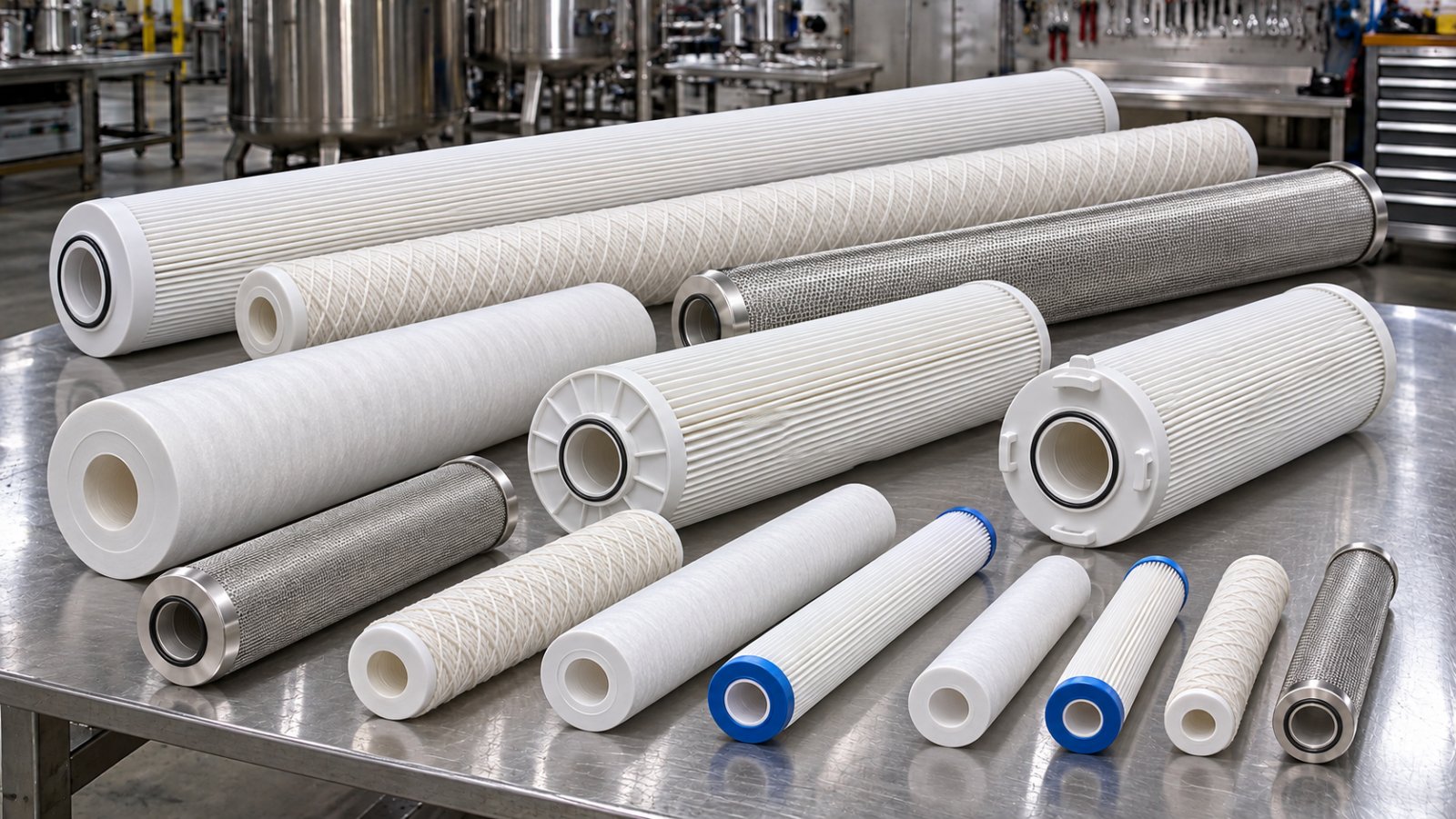
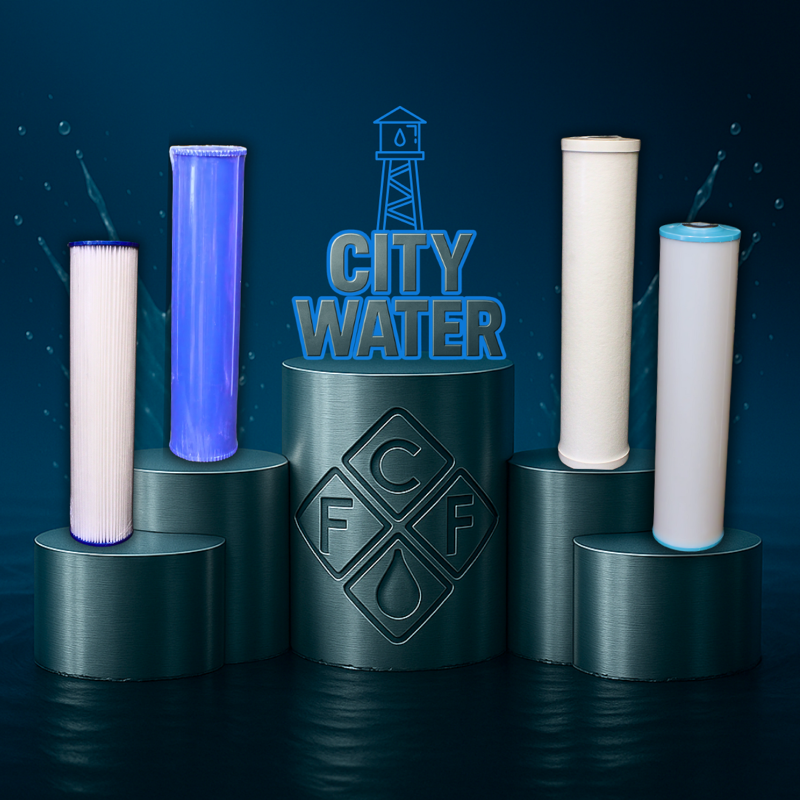
ALPHA-3 City Water Cartridge set →
Energy Consumption and Operational Expenses
Energy consumption is a quiet operational expense. Systems that use pumps, UV stages, or heated elements draw power continuously, and that draw shows up on every utility bill. Over a decade, even a small continuous load adds up.
Skipping a water analysis before buying a filter is the most expensive mistake in this category. Without knowing your hardness and TDS levels, you will buy cartridges that clog early and replace them more often than necessary.
Stainless Steel Water Filter Benefits for Long-Term Savings
Stainless steel water filter benefits show up most clearly over a decade, not a quarter. The material resists the cracking, pressure fatigue, and contamination that end the life of plastic housings, so the system itself does not become a recurring expense.
Durability and System Lifespan
Surgical-grade stainless steel holds its structural integrity under demanding conditions. It resists cracking under pressure spikes, does not degrade from chlorine or chloramine exposure, and maintains full-port flow without the narrowing plastic fittings develop over time.
Eliminating Microplastic Exposure
Plastic filter housings can shed microplastic particles into treated water, especially as the housing ages and stresses. Stainless steel construction removes that pathway entirely because no plastic contacts the water stream.
Bottled Water vs. Home Filtration: A Cost Comparison
Bottled water loses the cost comparison to home filtration over any meaningful timeframe, but the reason is more structural than most articles admit. The per-gallon price of bottled water is far higher than filtered tap water, and plastic waste accumulates with every bottle. Households that switch to home filtration typically see annualized savings within the first year.
The Three Cost Layers Bottled Water Hides
Bottled water carries three cost layers that never appear on the shelf tag: the water itself, priced per container rather than per gallon; packaging and transport, embedded in the unit price and scaling with every bottle; and storage and handling, which shows up as pantry space, refrigerator space, and the recurring labor of buying, carrying, and disposing of cases.
Why the Comparison Changes Once You Own a Filter
For households already paying for a disposable filter system, the marginal cost of upgrading to permanent stainless steel infrastructure is often smaller than a year of bottled water purchases. Most cost comparisons miss this: they compare bottled water to a hypothetical filtration system as if the household starts from zero.
The Environmental Layer
Beyond direct cost, bottled water carries an environmental cost that home filtration eliminates. Plastic waste from bottles accumulates indefinitely, while a permanent filtration system produces no per-use packaging waste.
If you are comparing bottled water to a home system, run the math on your actual household consumption, not the national average. A family that drinks a case a week will reach the crossover point far sooner than a single occupant.
Whole-House vs. Point-of-Use Systems: Which Saves More?
Whole-house filtration saves more over the long term for households that want protection at every tap. A point-of-use system treats water at a single faucet, so only the kitchen sink gets filtered water while showers, laundry, and appliances run on untreated supply.
If you are on well water with high iron or sulfur, ask for a water analysis before choosing cartridges. Custom calibration from the C.L.E.A.R.™ Water Intelligence System matches the filtration stages to your actual water chemistry instead of a generic guess.
Frequently Asked Questions
What is the actual annual cost of replacing disposable water filters?
The annual cost depends on the system type and how often cartridges need changing. Pitcher and faucet-mounted filters typically require replacement every one to three months, while under-sink and whole-house cartridges last six to twelve months. Multiply the cartridge price by the number of replacements per year, then add any installation labor, shipping, or subscription fees. Many homeowners underestimate this total because they only track the upfront purchase price, not the recurring cartridge expenses that accumulate over years of use.
How do disposable filter costs compare to permanent stainless steel systems?
Disposable filters carry a lower upfront cost but require ongoing cartridge purchases, which add up over five to ten years. A permanent stainless steel system has a higher initial investment, yet its housing does not need replacing and its cartridges are designed for longer service intervals. When you calculate the total cost of ownership across a decade, including replacement cartridges, installation labor, and potential system failures, permanent infrastructure often delivers a lower cost per gallon and fewer service interruptions.
Do disposable water filters contribute to long-term household waste?
Yes. Each spent cartridge becomes plastic waste, and a typical household using pitcher or faucet-mounted filters can discard twelve or more cartridges per year. Over a decade, that adds up to well over a hundred plastic units entering landfills. Stainless steel systems reduce this waste stream because the housing is permanent and only the filter media inside is replaced, often at longer intervals. That difference matters for homeowners tracking both environmental impact and long-term budget.
What factors influence the total cost of ownership for water filtration?
Several variables drive the real cost. Water hardness and TDS levels affect how quickly cartridges reach filter saturation, meaning harder water shortens filter lifespan. Installation labor for point-of-use versus whole-house systems varies widely. Energy consumption, if the system uses pumps or UV stages, adds operational expenses. Subscription models may offer convenience but can carry hidden fees. System durability and depreciation also matter. Mapping these factors before buying gives you a clearer picture of the long-term budget.